

By Benjamin Okech (Africa Insider)
Introduction
Uganda has mineral resources that could support industrial growth, job creation and local economic development. Limestone is one of these resources. It is an important raw material for cement, lime, construction and other industrial products.
In eastern Uganda, the Mount Elgon region offers opportunities for further mineral exploration and development. Kapchorwa District identifies limestone among its natural resources. Mineral exploration has also attracted attention in Kapchorwa, Kween and neighbouring Bulambuli District.
Further north and east, the wider Karamoja region, including Moroto, has reported limestone and marble resources. These areas deserve attention from investors interested in mineral exploration, processing and value addition.
Uganda already has established cement producers, including Tororo Cement, Hima Cement and Simba Cement. Their presence reflects an existing market for cement and its raw materials. There may also be opportunities to explore additional limestone resources and develop new supply and processing projects.
However, investment decisions must rely on verified geological information. The presence of limestone in a region does not automatically confirm the quantity, quality or commercial value of a particular deposit.
1. Where Are the Limestone Opportunities Located?
Kapchorwa District
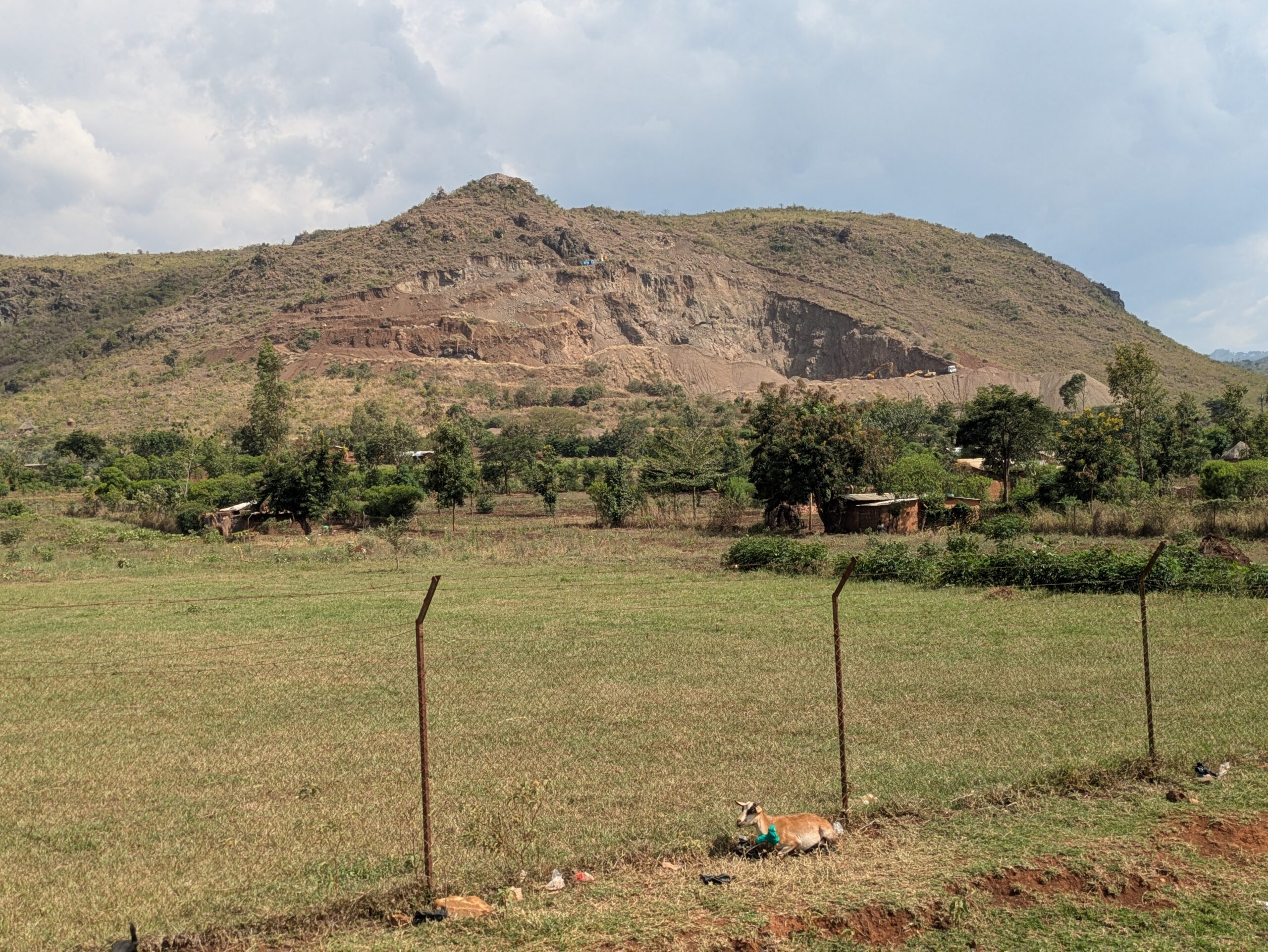
Kapchorwa lies on the slopes of Mount Elgon in eastern Uganda. The district is known for agriculture, tourism and its natural landscape. It also identifies limestone among its mineral resources.
This provides a starting point for investors interested in exploring the area’s industrial mineral potential. Geological studies can help establish the location, quality and quantity of limestone available for commercial use.
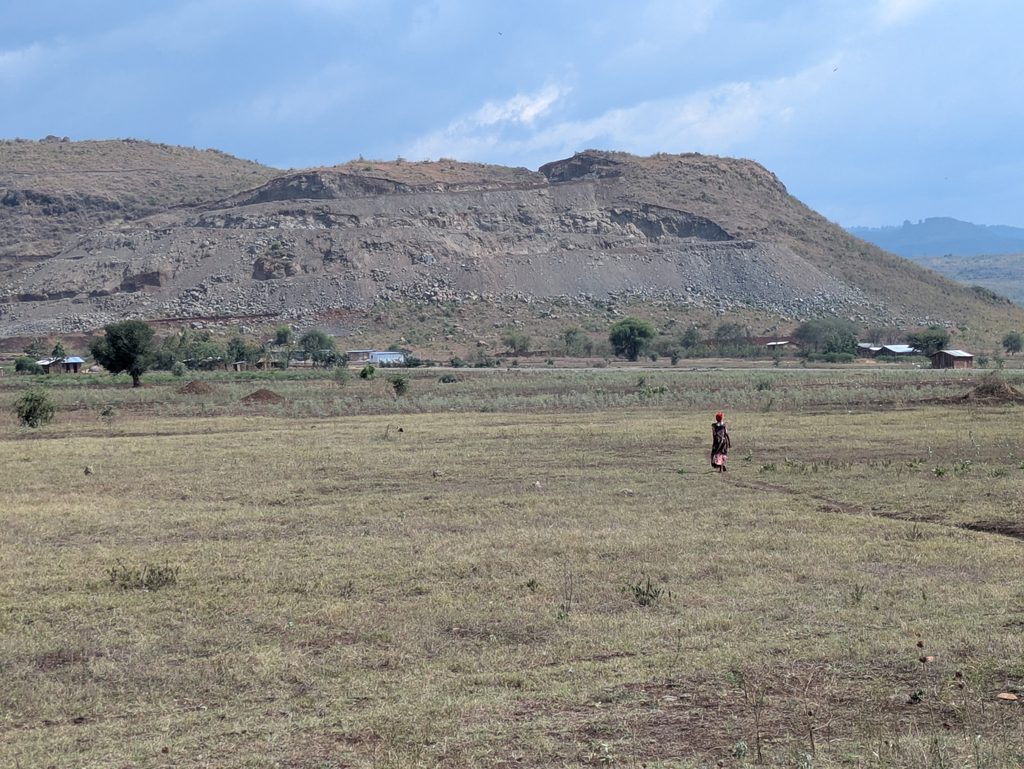
Official information from Kapchorwa District supports the presence of limestone as a local resource. However, individual sites still require technical assessment before investors can determine whether mining would be commercially viable.
Kween District
Kween is another important district in the Mount Elgon region. Its mineral potential deserves further investigation as Uganda continues to explore opportunities for mineral development and local industrial production.
A mineral exploration announcement published by Kapchorwa District reported that Greenfire Minerals Ltd had received a four-year exploration licence covering areas in Kapchorwa, Kween and Bulambuli. The minerals under investigation included limestone, dolomite, phosphate, gold and several other commodities.
This announcement demonstrates interest in the wider region’s mineral potential. It does not, by itself, confirm the size or commercial viability of limestone deposits in every district or location.
Investors should establish which areas are available for exploration, which mineral rights already exist and what geological evidence is available before considering a project.
Bulambuli District and the Wider Mount Elgon Region
Bulambuli forms part of the wider Mount Elgon region, where mineral exploration could support future industrial development.
For investors, the opportunity is not limited to extracting raw materials. Depending on the geology and market conditions, a viable project could also support mineral testing, processing, transport, equipment supply and other services.
Any proposed site near district boundaries requires clear mapping and confirmation of its administrative location, land rights and mineral licensing status.
Moroto and the Wider Karamoja Region
Moroto provides another area of interest for investors researching limestone and marble in eastern and northeastern Uganda.
Published reports on Uganda’s mineral sector identify limestone and marble resources in parts of Karamoja. A report by Uganda Radio Network on an aerial mineral survey reported more than 300 million tonnes of limestone and marble across Moroto, Kotido and Napak districts.
This figure relates to the wider survey area. It should not be treated as the reserve estimate for an individual site or as proof that all the material can be mined economically.
The wider region may offer opportunities for geological investigation, mining, mineral processing and industrial development. Investors must assess each proposed site independently.
2. Existing Cement Companies and the Potential for Further Limestone Development
Uganda already has an established cement industry. Companies such as Tororo Cement, Hima Cement, Simba Cement and other producers operate in the country’s cement market. Limestone is an important raw material for this industry, creating demand for suitable deposits that can supply cement manufacturing and other industrial uses.
Limestone extraction already takes place at established locations in Uganda, including areas associated with cement production in Tororo and Hima, as well as parts of the Karamoja region. Reports have documented limestone mining in Moroto, where material has been transported to Tororo for cement production.
The Mount Elgon region also deserves attention. Kapchorwa District has reported mineral exploration covering Kapchorwa, Kween and Bulambuli, with limestone among the minerals being investigated. This creates a reason for investors to examine the area’s potential for further exploration and possible development.
According to local information, limestone may remain available in substantial quantities in parts of this wider region. However, the actual amount, quality and economically recoverable reserves at specific sites must be established through geological surveys, sampling and technical assessment.
The presence of established cement producers is important because it shows that Uganda has an existing industrial market. Investors may explore opportunities in mineral extraction, supplying raw materials, processing limestone or developing other value-added products, depending on the quality of the deposit and the needs of potential buyers.
The opportunity is therefore not simply about whether limestone exists. It is about identifying suitable deposits, confirming mineral rights, understanding production costs and connecting a viable resource to a reliable market.
3. Why Is Limestone Important?
Limestone is a useful industrial mineral with several applications.
Cement production: Limestone is a key raw material in cement manufacturing. Reliable supplies can support cement and clinker production where the mineral quality, production costs and market demand are suitable.
Lime production: Processed limestone can produce lime for construction, industrial processes and other applications. The appropriate use depends on the chemical composition and quality of the raw material.
Construction materials: Limestone and related carbonate rocks may be suitable for certain construction and building applications after technical testing.
Agriculture: Some suitable limestone products can help reduce soil acidity. Their use depends on the material’s chemical properties and the needs of local soils.
Industrial processing: Limestone can serve different industrial markets. Investors must identify the required product specifications and confirm that a deposit can meet them consistently.
These applications create possible business opportunities, but not every limestone deposit is suitable for every purpose.
4. Potential Investment Opportunities
The limestone potential of Kapchorwa, Kween, Bulambuli and the wider Moroto region could attract several types of investment.
Geological Exploration and Resource Assessment
Before establishing a mine, investors need reliable information about the deposit.
A qualified geological team can assess the site, collect samples and determine whether further exploration is justified. Laboratory analysis can establish important characteristics, such as calcium carbonate content and other chemical properties.
The findings can help investors estimate the potential resource, identify suitable applications and decide whether to proceed to a more detailed feasibility study.
Limestone Mining
Where geological studies confirm an economically viable deposit, a properly licensed mining operation may become possible.
A commercial project would need to consider extraction costs, equipment, labour, access roads, electricity, water requirements, transport, environmental safeguards and the distance to potential customers.
Investors should also verify existing mineral rights before committing capital to a location.
Cement and Clinker Manufacturing
Cement production is one possible source of demand for suitable limestone.
A cement or clinker project would require more than the presence of limestone. Investors would need to assess the quality and consistency of the raw material, access to other required inputs, energy supply, transport costs, plant requirements and demand for the finished product.
Where the conditions are favourable, local production could support construction and industrial development.
Lime Processing and Other Value Addition
Processing limestone locally may create more economic value than selling unprocessed material alone.
Depending on the deposit and market, opportunities could include lime production, crushing and grading, or supplying suitable material to industrial customers.
The best business model would depend on product quality, processing costs, available technology and reliable buyers.
Transport and Mining Support Services
A viable mineral project may create demand for transport, machinery maintenance, equipment supply, storage, site services and other support businesses.
These opportunities may also be relevant to local businesses that do not intend to own or operate a mine.
5. What Should Investors Verify Before Investing?
Investors considering limestone in the Mount Elgon region or Moroto should conduct proper due diligence.
Confirm the deposit. Obtain reliable geological reports and independent laboratory results. Do not rely on general reports about the region as proof of a particular site’s reserves.
Establish mineral rights. Confirm the status of the proposed site and the applicable exploration or mining licences with Uganda’s responsible authorities.
Assess product quality. Determine whether the material meets the requirements of the intended market, such as cement production, lime processing or construction.
Study transport and infrastructure. Calculate the cost of moving raw materials to processing facilities or customers. Road conditions, electricity and water access may influence project viability.
Identify buyers. Speak with potential industrial customers and establish their product specifications, quantities, pricing arrangements and supply requirements.
Prepare a financial assessment. Estimate exploration, equipment, labour, processing, transport, licensing and environmental management costs. Assess possible revenues using realistic market assumptions.
Engage local communities. Consult affected landowners, local leaders and communities. Establish clear agreements and consider how a project could create local employment and business opportunities.
Assess environmental and safety requirements. Determine the approvals and safeguards required before exploration, construction or mining begins.
These steps can help investors avoid committing resources to a project before its technical, legal and financial prospects are understood.
6. Limestone Development and Local Economic Benefits
Responsible mineral development can create opportunities beyond the mine itself.
A commercially viable project may provide jobs, support local suppliers, increase demand for transport and technical services, and contribute to wider economic activity.
Processing minerals within Uganda may also create opportunities for value addition and industrial development.
For Kapchorwa, Kween and Bulambuli, the potential benefits would depend on the projects established, their commercial success and the way they engage with local communities.
The same principle applies to Moroto and the wider Karamoja region. Mineral resources alone do not guarantee development. Good planning, responsible operations, appropriate investment and strong local participation are essential.
7. How Africa Insider Can Support Local Investment Research
I am Benjamin Okech, known as Africa Insider. I support businesses, researchers, organisations and other clients who need local connections and ground support in Uganda and East Africa.
For investors exploring limestone and other mineral opportunities, local support can help with preliminary information gathering, introductions to relevant stakeholders, field coordination and local verification.
Depending on the assignment, I can help coordinate visits, gather information from local sources and connect interested parties with relevant people or service providers.
Any geological assessment, mineral testing, licensing advice or technical feasibility study should be handled by appropriately qualified professionals and the relevant authorities.
My role is to help bridge the gap between people exploring opportunities and the local information, connections and coordination they may need.
8. An Invitation to Investors and Industrial Partners
Limestone in Kapchorwa and the wider Mount Elgon region deserves consideration as part of Uganda’s broader mineral development opportunities. Kween and Bulambuli are also relevant to regional exploration, while reported limestone and marble resources in Moroto and neighbouring parts of Karamoja provide a wider area for research.
Uganda’s existing cement industry demonstrates the importance of limestone as an industrial raw material. Investors can explore opportunities in mining, supply, processing and value addition, subject to the availability of suitable deposits and commercially viable conditions.
The next step is to identify specific sites, verify geological information, establish mineral rights and assess potential markets.
I welcome enquiries from investors, mining companies, geological consultants, cement manufacturers, lime processors and other industrial partners interested in understanding these opportunities.
For local research, field coordination or business connections in Uganda and East Africa, contact Benjamin Okech (Africa Insider) through benjaminokech.africa.
Conclusion
Limestone could contribute to industrial growth in eastern Uganda and the wider Karamoja region. Kapchorwa’s official district information identifies limestone as a local resource, and mineral exploration has drawn attention to Kapchorwa, Kween and Bulambuli. Reports also identify limestone and marble resources in parts of Karamoja, including Moroto.
Uganda already has cement producers such as Tororo Cement, Hima Cement and Simba Cement, creating an established industrial market for cement and its raw materials. There may be room for further investment, but the remaining quantities and quality of limestone at specific locations must be verified.
For investors, the opportunity lies in establishing what each deposit can support and whether a project can operate responsibly and profitably.
Reliable geological evidence, clear mineral rights, suitable infrastructure and confirmed markets should guide every investment decision.
