

By Benjamin Okech (Africa Insider)
Introduction
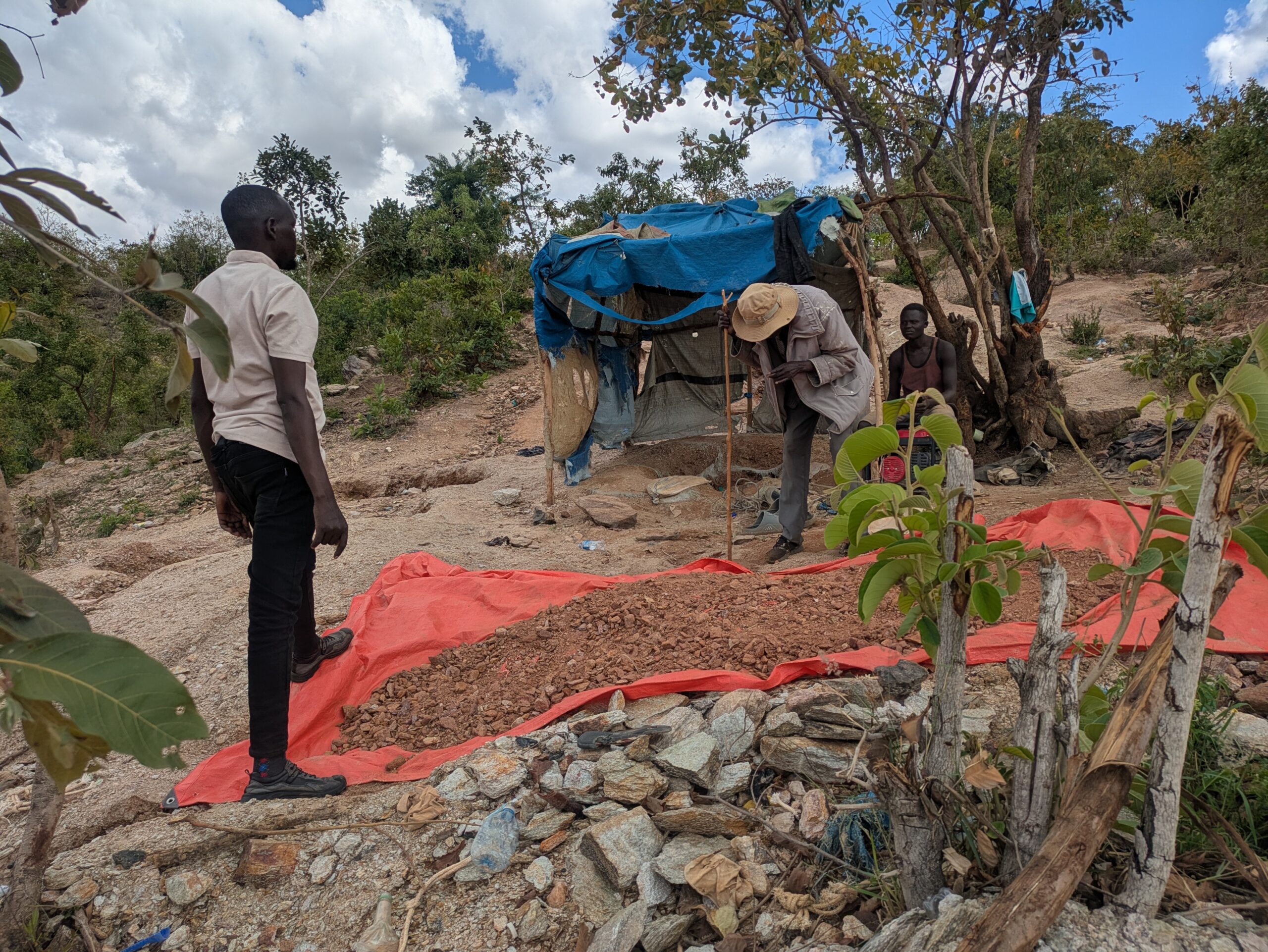
Uganda has several areas where people mine gold on a small scale. One of these areas is Narok, locally known as Chebinyiny, in Lwongon Sub-county, Too County, Bukwo District, eastern Uganda.
Artisanal miners work in this area. Local information indicates that the mining area covers several acres of land. This makes Chebinyiny worth exploring as a possible investment location.
There is also gold-mining activity in nearby districts, including Amudat and Moroto. Investors could examine these areas to understand their wider potential.
Chebinyiny may offer an opportunity for investors who want to develop a more organised gold-mining operation. However, investors first need reliable information about the gold deposits, land rights, licences and costs.
If studies confirm enough gold for profitable mining, a well-planned project could create returns for investors and jobs for local people. The first step is to assess the area properly.
Where Is Chebinyiny Located?
Chebinyiny, locally known as Narok, is in Lwongon Sub-county, Too County, Bukwo District, eastern Uganda.
Bukwo lies in the Mount Elgon region, near the border with Kenya. The district has rural communities that depend on farming and other local economic activities.
Gold mining is also part of the local economy. A published Bukwo District report mentions small-scale gold mining in Riwo Hills and Kapsama.
However, this report does not confirm the size or value of the gold deposits at Chebinyiny. Investors need a separate assessment to establish the area’s mineral potential.
Understanding Artisanal Gold Mining in Chebinyiny
Artisanal gold mining involves individuals or small groups who mine gold on a small scale. This activity can provide income for local households and support other businesses in mining communities.
At Chebinyiny, local miners provide a starting point for understanding the area’s gold-mining activity. Their experience may also help researchers understand the history of mining in the area.
However, small-scale mining differs from a professionally managed mining project. A larger operation needs proper planning, trained workers, suitable equipment and clear management systems.
Investors must also understand the land and mineral rights. They need the correct licences and approvals before starting any mining project. Environmental protection and worker safety must also form part of the plan.
Investment Opportunities in Chebinyiny
Chebinyiny may offer an opportunity for investors who want to explore gold mining in eastern Uganda.
Local information indicates that the mining area covers several acres of land. Artisanal miners also work in the area. These facts make it worth investigating further.
However, the size of the land does not tell us how much gold it contains. Investors need geological studies to determine whether the deposits could support profitable mining.
Several opportunities may exist if professional assessments confirm that the area can support a commercial project.
1. Assessing the Gold Deposits
Investors can begin by supporting a professional geological assessment of Chebinyiny.
Qualified specialists can study the area’s geology and look for evidence of gold deposits. They can then advise whether further exploration makes commercial sense.
This assessment would give investors a stronger basis for making decisions. It would also help them understand the potential costs and risks before committing large amounts of money.
2. Developing a Modern Mining Operation
If studies confirm a commercially viable gold deposit, investors could consider developing a more organised mining operation.
Such a project could use suitable equipment, trained workers and professional management. It could also improve record keeping, working conditions and environmental protection.
The scale of the operation would depend on the findings of the studies. Investors should base their plans on evidence rather than assumptions about the amount of gold available.
3. Working with Local Stakeholders
Investors may explore partnerships with legitimate landholders, existing miners and other local stakeholders.
Good partnerships can help investors understand the local situation. They can also create clear agreements about responsibilities and potential benefits.
Before entering any agreement, investors must verify land ownership and mineral rights. They should also confirm that the relevant parties have the legal authority to make the proposed agreements.
4. Creating Jobs and Supporting Local Businesses
A successful mining project could create jobs and support local businesses.
Workers and mining companies may need transport, equipment maintenance, accommodation, food and other services. These needs could create opportunities for people living in nearby communities.
The actual benefits would depend on the size and success of the project. Investors and local stakeholders should discuss how a project could create lasting benefits for the community.
5. An Opportunity for Serious Investors
Chebinyiny deserves further investigation by investors interested in gold mining in Uganda.
The reported size of the area and the existing artisanal mining activity make it a location worth examining. However, investors must establish the quality and quantity of the gold before deciding how much to invest.
The potential returns could be substantial if professional studies confirm commercially viable gold deposits. A successful project could create value for investors while supporting local employment and economic activity.
However, no one can guarantee profits before assessing the deposits, costs, licences and operating conditions. Serious investors should begin with proper investigations and independent advice.
Gold-Mining Opportunities in Amudat and Moroto
Chebinyiny is not the only area worth considering when exploring gold-mining opportunities in this part of Uganda.
Nearby districts, including Amudat and Moroto, also have artisanal and small-scale gold-mining activity. These districts add to the wider regional interest in gold exploration and responsible mining.
Uganda’s extractive-sector reports identify Amudat and Moroto among areas associated with artisanal and small-scale gold mining. This information provides useful regional context for investors who want to learn more about gold mining in northeastern Uganda.
However, mining activity alone does not confirm the amount of gold in a particular location. Investors need reliable geological evidence before they can estimate the commercial value of a deposit.
Chebinyiny reportedly covers several acres, while Amudat and Moroto offer other locations for further investigation. Investors could assess individual sites to determine which ones deserve more detailed exploration.
A regional assessment could also help investors compare different locations. It could identify areas that merit further study, subject to land rights, mineral rights, licences and environmental requirements.
If professional studies confirm viable deposits, these areas could present opportunities for organised mining projects. Such projects could attract investment, create jobs and support local businesses.
The key is to establish the facts before making financial commitments. Investors need reliable information about each site, the amount of gold available for recovery, development costs and legal requirements.
What Investors Should Know Before Investing
Anyone considering an investment in Chebinyiny, Amudat or Moroto should carry out proper checks before committing money.
Here are some important issues to consider.
- Gold deposits: Investors need professional evidence about the presence, quality and quantity of gold.
- Land and mineral rights: They must establish who controls the land and who holds the relevant mineral rights.
- Licences and approvals: Investors should confirm the exploration and mining licences required under Ugandan law.
- Project costs: They need realistic estimates for equipment, labour, transport, management and other operating expenses.
- Environmental protection: The project must protect water sources, land and nearby communities.
- Worker safety: The operation needs suitable safety measures, trained workers and proper management.
- Community relations: Investors should engage local leaders, miners, landholders and other affected people.
- Business agreements: All partnerships should have clear terms, verified rights and proper legal support.
Investors should seek independent advice from qualified geological, legal, environmental and financial professionals. They should not rely on informal claims alone when making major investment decisions.
Responsible Gold Mining and Community Development
Gold mining can create economic opportunities, but poor management can also harm people and the environment.
A well-planned project should follow Uganda’s laws and meet all relevant licensing and environmental requirements. It should also protect workers and nearby communities.
Investors should engage local stakeholders early in the planning process. They should explain the project’s aims, discuss possible effects and establish clear responsibilities.
Responsible mining can help improve working conditions and business practices. It can also create opportunities for local people when a project succeeds.
The goal should be to develop a commercially sound operation that respects the law and treats the local community fairly.
Connecting Investors with Local Opportunities
Finding a mining opportunity requires more than knowing where gold mining takes place. Investors also need reliable local information, suitable contacts and a clear understanding of the area.
Through his Africa Insider identity, Benjamin Okech helps connect people and organisations with local information, contacts and opportunities in Uganda and the wider East African region.
For Chebinyiny and other gold-mining areas in Bukwo, Amudat and Moroto, the first step is to establish the local facts. Investors can then identify the technical studies, legal checks and professional support needed to assess each opportunity.
Investors and mining companies interested in eastern Uganda can begin by exploring the local context and identifying the appropriate next steps.
Any investment discussion should distinguish between local reports of gold-mining activity and findings confirmed by professional geological studies.
Conclusion
Narok, locally known as Chebinyiny, in Lwongon Sub-county, Too County, Bukwo District, is an area of local interest because of its artisanal gold-mining activity.
Local information indicates that the area covers several acres of land. This makes it worth investigating, although the size of the area does not confirm how much gold it contains.
Nearby districts, including Amudat and Moroto, also have artisanal and small-scale gold-mining activity. Investors may therefore wish to explore the wider region when assessing gold-mining opportunities in Uganda.
For serious investors, the opportunity lies in establishing what these areas can support through professional studies, lawful agreements and responsible project development.
If studies confirm commercially viable deposits, a properly managed operation could offer financial returns and create jobs for local people. The first step is to establish the facts and understand the risks.
Are you an investor, mining company or technical partner interested in exploring gold-mining opportunities in eastern Uganda?
Initial discussions can help identify the local information, contacts and professional assessments needed to determine whether Chebinyiny or other locations in the region merit further investigation.
Benjamin Okech, known as Africa Insider, supports local connections, information and ground-level coordination in Uganda and the wider East African region.
